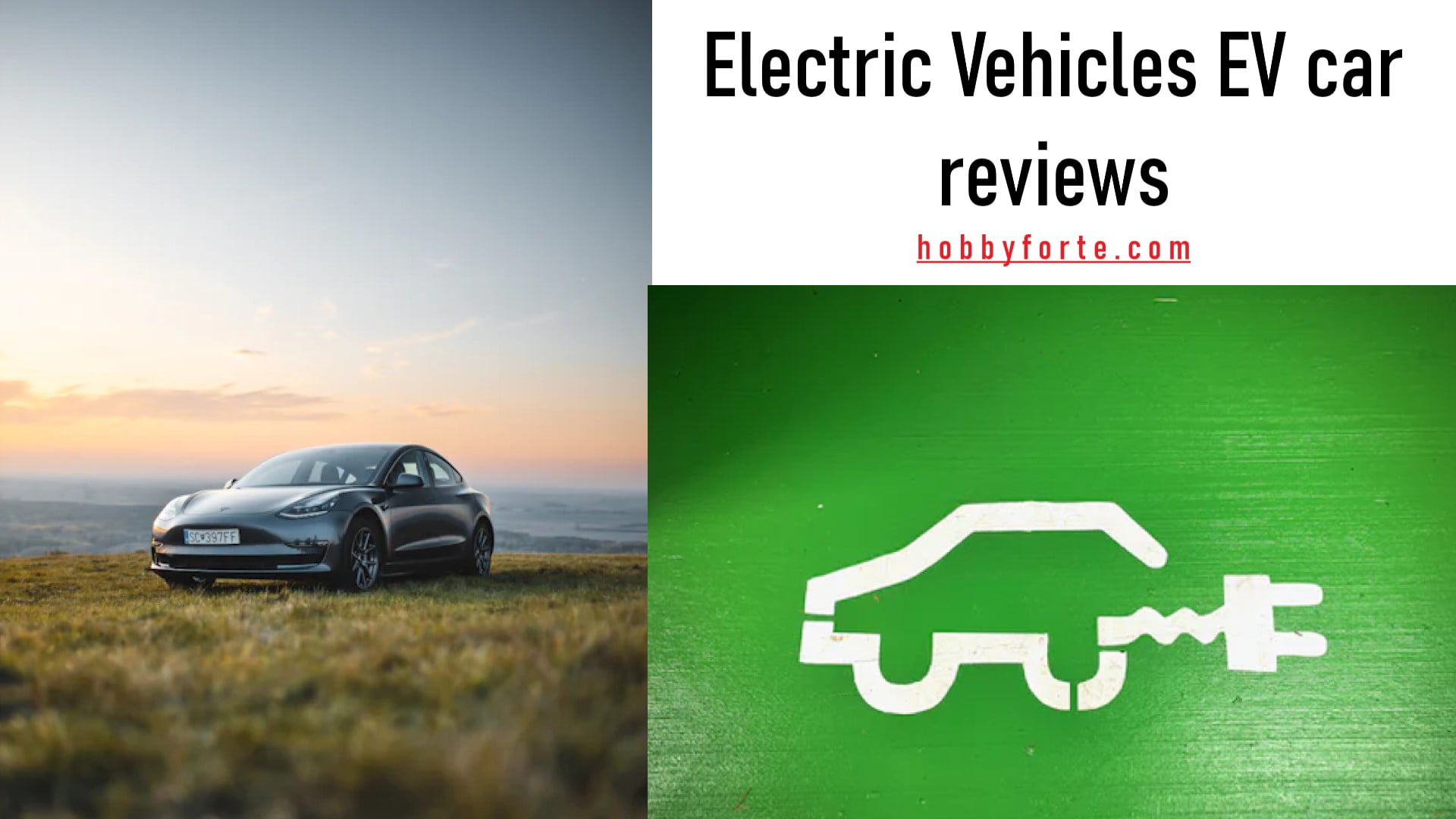
Electric Vehicles (EV)
Electric Vehicles (EVs) are quickly transforming the way we drive, offering a cleaner, more sustainable alternative to traditional gas-powered cars. With advancements in battery technology and growing environmental concerns, EVs are becoming a popular choice for those who want to reduce their carbon footprint and enjoy a more efficient driving experience.
Introduction
Electric vehicles use electricity as their primary source of power, unlike conventional cars that run on gasoline or diesel. There are different types of EVs to suit various driving needs:
- Battery Electric Vehicles (BEVs): Fully electric vehicles with no internal combustion engine, powered solely by rechargeable batteries.
- Plug-in Hybrid Electric Vehicles (PHEVs): A combination of an electric motor and a gasoline engine, allowing drivers to use either energy source depending on their needs.
- Hybrid Electric Vehicles (HEVs): Similar to PHEVs, but these cars don’t need to be plugged in, as the battery is recharged through regenerative braking.
Advantages
Eco-Friendly Driving
The most significant benefit of driving an electric vehicle is its environmental impact. EVs produce zero tailpipe emissions, helping to reduce pollution and our dependence on fossil fuels. By driving an EV, you’re contributing to cleaner air and a more sustainable future.
Lower Operating Costs
In addition to their environmental benefits, EVs can save you money. Charging an electric car is generally much cheaper than fueling a gasoline-powered vehicle. Plus, EVs require less maintenance, as they have fewer moving parts. With fewer oil changes, brake repairs, and other routine maintenance tasks, owning an EV can be more cost-effective over time..

FAQ: Frequently Asked Questions
Explore our FAQ section to find answers to the most frequently asked questions about Electric Vehicles (EV). From product details to support inquiries, we cover everything you need to know. Get the information you need quickly and easily!
What makes electric vehicles a good choice for consumers?
Yes, electric vehicles (EVs) are considered good in several ways, they’re often seen more environmentally friendly compared to conventional petrol or diesel cars due to zero tailpipe emissions contributing significantly towards reduction of carbon footprint. Moreover, they offer a smooth and quiet ride, and some models have quicker acceleration as well.
From a cost perspective, although the initial purchase price may be higher for EVs than for comparable gasoline cars – efficiencies derived from lower running costs can actually make it cheaper in the long run. The electricity to charge an EV works out around a fifth as much per kilometer as buying petrol for similar vehicles. Also less moving parts than conventional cars might also mean that there are fewer things that could go wrong over time , leading subsequently lesser maintenance needs
Their efficiency also stands out: Most of energy stored in their batteries goes toward moving the car rather than being wasted unlike a lot of energy in combustion engine exits as heat through exhaust pipes
Battery technology has been one challenging factor though making people anxious about running out of power before reaching their destination with nowhere to charge (aka range anxiety) but rapid enhancements lately providing longer ranges coupled with increasingly widespread charging network alleviates these concerns progressively & we should see more adoptations across the globe comprehensively sooner .
Which global automotive manufacturers are currently producing electric vehicles?
Numerous car and automotive companies globally produce electric vehicles (EVs). Here are some notable ones:
- Tesla, Inc.: Based in the United States, Tesla is considered a pioneer in modern electric vehicles.
- General Motors: Also based in the U.S., brands under GM like Chevrolet and GMC offer EVs.
- Nissan Motor Co: A Japanese multinational automaker with popular EV models such as the Nissan Leaf.
- BYD Auto: A Chinese automobile manufacturer known for producing a wide range of electric cars and buses.
- BMW Group : German multinational company which manufactures luxury vehicles and motorcycles offering various hybrid & full electric versions within its lineup
- Volkswagen Group : German multinational automotive manufacturing corporation is progressively shifting focus towards adding more electrified models covering their mass market to premium offerings
- Audi AG , Porsche & Mercedes Benz : These exclusive nameplates also belong to Germany traditionally popular for their internal combustion engine cars ; are increasingly launching variety of PHEVs or BEVS now
- Renault – French automaker has been successful selling it’s affordable hatchback EV namely ZOE at many markets worldwide
- Hyundai/Kia: These South Korean automakers have drawn attention for their commitment towards cost-effective fully electric & hybrid alternatives – particularly Hyundai’s KONA Electric & Kia’s Soul EV are worth mentioning here
- Ford Motor Company – US based legacy nameplate jumps onto bandwagon too via launching an electrified version of it’s best selling pick-up truck F-150 called as F-150 lightning thus indicating how rapidly industry trends evolve under cleaner mobility aims mandated by governments worldwide .
A few other names continuing this list could be Volvo Cars (Sweden), Rivian(USA), Lucid Motors(USA) primarily aiming towards premium segments while recent start-ups from China including NIO, Xpeng etc expand this list progressively making 21st century automotive scenario more exciting.
What are the most influential electric vehicles ever produced?
Determining the “best” electric cars of all time can be subjective and depends on individual preferences and needs. But here are some models that have left significant impacts in shaping the landscape of electric mobility:
- Tesla Model S: Known for exceptional range performance, innovative features, including semi-autonomous driving technology Autopilot.
- Nissan Leaf: Notable for making EVs more accessible to the mass market due to a reputable balance between affordability and functionality.
- Chevrolet Bolt EV: It stands out in offering high range-per-charge at an affordable price competition against Tesla Models in U.S
- BMW i3: Lauded as highly visionary when launched, its innovative design & use of sustainable materials inside cabin made this urban hatchback very unique
- The Jaguar I-PACE : A luxury brand’s first BEV has won multiple awards since it’s release embracing fit-n-finish quality users expect from a nameplate like JAGUAR while delivering strong driving dynamics powered by electricity
- Porsche Taycan Turbo S – Capable of tremendous acceleration figures rivalling sport supposed ICEs ; coming from a legacy sports car maker added advantage with driving enthusiasts often praising its handling capabilities matching ethos brand is known for , whilst being propelled via cleaner energy source.
- Audi e-Tron -It looks quite similar to other SUV offerings from this German marque but comes sans tailpipe & associated emissions.
- Hyundai KONA Electric – Compact-SUV meeting family needs; stands out with sizable real-world-driving-range on full charge remaining fairly cost-effective.
- Kia Soul EV – Shares underpinnings with Hyundai Kona but brings entirely distinctive look at exterior promising nearly same capabilities thus expanding user choices catering style preferences effectively
- Ford Mustang Mach-E – Sports styled Crossover redefining what has been popularly former’s muscle car segment traditionally only had Petrol derivative. Single model now caters both user-category playing smart under same brand-tag thus.
It’s important to note that rapid advancements in EV technology and supporting infrastructure continue to improve, suggesting that the “best” electric cars will evolve significantly over time.
What benefits can one expect from owning an electric vehicle?
Buying an EV car offers numerous benefits – they’re eco-friendly, produce zero tailpipe emissions, provide a quiet and smooth drive, and require less maintenance than traditional cars. They also provide instant acceleration while being far more energy-efficient. Apart from these factors, many Governments worldwide also extend subsidies to encourage EV purchases.
What are the most popular and sought-after electric vehicles from Tesla?
- Tesla Model S Plaid: This model is considered the quickest production car currently on the market, with the ability to accelerate from 0 to 60 in less than 2 seconds.
- Tesla Model 3: This is Tesla’s best-selling vehicle and it’s praised for its efficiency, range, and driving dynamics.
- Tesla Model X: Known for its “Falcon Wing” rear doors and spacious interior, Model X is a fully electric SUV with up to 360 miles of range on a single charge.
- Tesla Model Y: A compact crossover with impressive acceleration and a spacious interior, the Model Y is based on the Model 3 sedan.
- Tesla Roadster: Scheduled for release in 2022, the new Roadster model from Tesla is expected to be the fastest car in the world in terms of acceleration.
- Tesla Cybertruck: Tesla’s upcoming all-electric pickup truck has been turning heads due to its unconventional design and impressive specs including a range of up to 500 miles on a single charge.
Which models are the top-selling vehicles from Tesla?
- Tesla Model 3: The best-selling electric car worldwide.
- Tesla Model Y: A compact SUV experiencing rapidly growing sales.
- Tesla Model S: The luxury sedan that put Tesla on the map.
- Tesla Model X: A unique SUV known for its “Falcon Wing” doors.
Which electric vehicle models are the top sellers?
- Tesla Model 3: The most popular EV globally.
- Tesla Model Y: A rapidly rising star in the EV market.
- Nissan Leaf: One of the best-selling electric cars worldwide.
- BMW i3: A compact luxury EV with strong sales.
- Chevrolet Bolt EV: A top-selling EV in the US market.
Is there a difference between the terms ‘EV car’ and ‘Electric Vehicle’?
There is no difference between an EV car and an Electric Vehicle. “EV” is simply an abbreviation for “Electric Vehicle.” Both terms are used to describe any vehicle that is powered by electricity, rather than traditional fossil fuels like gasoline or diesel.
Is it possible for electric vehicles to completely replace cars fueled by petrol?
Yes, EV cars can replace petrol cars and it’s already happening in many parts of the world. Several countries have plans to phase out petrol and diesel cars in the near future in favor of electric vehicles, to reduce emissions and combat climate change. The main challenges are improving battery technology, decreasing EV prices to make them more affordable, and expanding charging infrastructure. However, rapid advancements are being made in all these areas.
Are electric vehicles completely free from emissions?
While it’s true that electric vehicles (EVs) produce zero tailpipe emissions, meaning they don’t emit harmful pollutants like carbon monoxide or nitrogen oxides while driving, they aren’t completely emission-free. Emissions can be produced during the manufacturing process of the vehicle and the battery, as well as from the source of the electricity used to charge the EV if it’s not from renewable sources. However, the overall emissions are generally significantly lower than those from conventional petrol or diesel vehicles.
Do EV car batteries emit radiation and harm humans?
Electric vehicles (EVs), like all electronic devices, do emit a small amount of electromagnetic radiation. However, this is typically well within international safety guidelines and is comparable to the amount that is emitted by various other common devices such as smartphones, laptops, and Wi-Fi routers. Studies have generally found that the level of radiation in an EV is safe for humans. The batteries themselves do not emit harmful radiation. It’s also worth noting that EVs must meet the same safety standards as traditional vehicles before they can be sold.
Who was the original inventor of the electric vehicle (EV)?
The invention of the electric vehicle is not attributed to a single person but rather a series of inventors throughout history. Early development of electric vehicles began around the mid-19th century. Thomas Davenport, Robert Anderson, and Professor Sibrandus Stratingh all made significant contributions in the early days.
However, arguably the first practical electric vehicle was the Flocken Elektrowagen, invented by German inventor Andreas Flocken in 1888.
In terms of modern electric vehicles, many consider General Motors’ EV1, released in the 1990s, as a significant milestone. But Tesla Motors, under the leadership of Elon Musk, had a huge impact by proving electric cars could be high-performing, desirable, and profitable, sparking an industry-wide shift toward electrification.
Who played a significant role in popularizing electric vehicles?
Tesla, under the leadership of Elon Musk, has certainly played a major role in making electric vehicles (EVs) popular. Tesla’s high-performance electric cars, combined with their sleek design and long-range capabilities, have dramatically changed the perception of electric cars. Other companies like Nissan with the Leaf and General Motors with the Chevy Bolt have also contributed to the popularization of EVs. However, Tesla’s influence in making EVs not just technologically advanced, but also highly desirable, stands out.
What are the key factors behind Elon Musk’s fame and popularity?
Elon Musk’s popularity stems from a variety of factors:
- Visionary ideas: Elon Musk is known for his visionary goals of revolutionizing transportation both on Earth (with electric vehicles and Hyperloop) and in space (with SpaceX).
- Success in tech industry: Elon Musk co-founded PayPal, which was sold to eBay for $1.5 billion. He is the CEO of Tesla, which is considered a leading company in the electric vehicle & renewable energy industry.
- SpaceX Achievements: Under Elon Musk’s leadership, SpaceX has accomplished several groundbreaking feats such as launching the first privately funded liquid-propellant rocket to reach orbit (Falcon 1) and the world’s most powerful operational rocket (Falcon Heavy).
- Personality: Elon Musk’s appearances at product reveals, interviews, and on social media have established him as a real-life Tony Stark (Iron Man), further enhancing his popularity.
- Commitment to the environment: Through Tesla’s electric vehicles and solar products, Elon Musk is helping to combat climate change, which has made him popular amongst environmentally conscious individuals.
However, Elon Musk is also a figure of controversy due to his outspoken nature and actions, so public opinion about him is deeply divided.
What is the connection between Elon Musk and the electric car industry?
Elon Musk is heavily associated with electric cars because he is the CEO of Tesla Inc., which is a leading company in the electric vehicle market. Under Elon Musk’s leadership, Tesla has pioneered several innovations in electric vehicle technology and brought electric cars to the mainstream market. Tesla’s Model S, Model 3, Model X and Model Y are popular models that have driven the widespread adoption of electric vehicles. Elon Musk’s vision for sustainable transport has been a key driving force in the shift towards electric vehicles in the global automotive industry.
*Source: Porsche official website
Hot & Trending Topic
Stay updated with the latest and trending news in the global automotive scene — from new car model launches, smart technologies, to exclusive promotions and attractive financing schemes. Discover expert tips, top locations for car purchases, and guides to choosing the right vehicle that fits your lifestyle and budget. Stay ahead in realizing the dream of owning your ideal car, whether for daily use, family needs, or an active lifestyle.
-
Lamborghini Terzo Millennio – The Electric Supercar of the Future
Lamborghini Terzo Millennio Take a closer look at the Lamborghini Terzo Millennio, a bold concept car that’s pushing the limits of design and technology. From…
-
Porsche Cayenne E-Hybrid Coupe Review: Best Luxury SUV 729HP
Porsche Cayenne E-Hybrid Coupe If you’re a Porsche fan looking for a ride that combines heart-pounding performance with eco-conscious tech, the Porsche Cayenne E-Hybrid Coupe…
-
Porsche Taycan Turbo S Cross Turismo: The Ultimate Electrifying Ride
Porsche Taycan Turbo S Cross Turismo Ready for a ride that redefines everything you thought you knew about electric cars? The Porsche Taycan Turbo S…
-
Porsche Taycan Turbo Cross Turismo: 670 hp with Overboost
Porsche Taycan Turbo Cross Turismo Ready to experience the ultimate in electric performance? Discover how the Porsche Taycan Turbo Cross Turismo redefines driving with thrilling…
-
Porsche Taycan Turbo Sedan: The Future of Electric Driving
Porsche Taycan Turbo Sedan Curious how the Porsche Taycan Turbo Sedan offers electrifying acceleration, precision handling, and eco-friendly performance? Keep reading to discover why this…
-
Porsche Taycan GTS Sport Turismo: The Ultimate in Electrified Luxury
Porsche Taycan GTS Sport Turismo Ready to experience a driving experience that blends power, luxury, and cutting-edge electric technology? The Porsche Taycan GTS Sport Turismo…
-
Porsche Taycan 4S Cross Turismo: Electrifying Performance in Style
Porsche Taycan 4S Cross Turismo Ready to experience the future of driving? The Porsche Taycan 4S Cross Turismo redefines performance with its stunning electric power…
-
Porsche Taycan 4S Sedan: A New Era of Electrifying Performance
Porsche Taycan 4S Sedan Discover how the Porsche Taycan 4S Sedan redefines electric driving with stunning performance, elegant design, and cutting-edge technology. Introduction The Porsche…
-
Porsche Taycan 4 Cross Turismo: Electrifying Versatility at $101,900
Porsche Taycan 4 Cross Turismo Ready to learn more about how the Porsche Taycan 4 Cross Turismo perfectly balances performance, style, and practicality? Keep reading…
-
Porsche Taycan: A New Era of Driving Excellence
Porsche Taycan Ready to experience the future of driving? The Porsche Taycan offers the perfect combination of power, performance, and sustainability—read on to discover why…
-
Porsche Taycan GTS Models: Elevating Electric Driving Emotion
Porsche Taycan GTS Models Discover how the Porsche Taycan Cross Turismo combines stunning design with versatile functionality, making it the perfect vehicle for both everyday…
-
BYD Han Emerald Edition: Luxury, Power, and Sustainability
BYD Han Emerald Edition Looking for an electric vehicle that perfectly combines style, performance, and eco-consciousness? Discover why the BYD Han EV Emerald Edition is…
-
BYD Han Executive Edition Review: A Luxury Electric Sedan
BYD Han Executive Edition Looking for a perfect blend of luxury, power, and sustainability? The BYD Han EV Executive Edition might just be the car…
-
BYD Han EV: A New Era of Luxury, Performance and Eco Driving
BYD Han EV The BYD Han EV is a flagship electric sedan that blends luxury craftsmanship, cutting‑edge technology, and dynamic performance. Designed for drivers who…
-
BYD Dolphin Premium: Your Trustworthy Electric Companion
BYD Dolphin Looking for a reliable, stylish, and high-tech electric vehicle that makes every journey enjoyable? The BYD Dolphin is your perfect driving companion, blending…
-
BYD Dolphin Dynamic: A Compact Electric Vehicle Revolution
BYD Dolphin Dynamic Looking for an eco-friendly, high-performance electric vehicle with modern tech features and a spacious interior? The BYD Dolphin Dynamic Standard Range offers…
-
BYD Dolphin – Stylish Electric Hatchback with Smart Tech
BYD Dolphin If you’re thinking about going electric, the BYD Dolphin is a game-changer. Recently, I had the chance to test drive this electric vehicle,…
-
BYD ATTO 3 Extended Range: A Game-Changer for EV
BYD ATTO 3 Extended Range Looking for an electric vehicle that combines cutting-edge technology, sleek design, and impressive performance? Discover why the BYD ATTO 3…
-
BYD ATTO 3 Standard Range: Our Test Drive Review
BYD ATTO 3 Standard Range Looking for a stylish, efficient, and eco-friendly electric vehicle? The BYD ATTO 3 Standard Range might be just what you…
-
BYD ATTO 3: Practical and Fun
BYD ATTO 3 Looking to make the switch to electric without breaking the bank? The BYD ATTO 3 could be the perfect ride for you.…
-
Volkswagen ID.4 AWD Pro S Plus: The Ultimate Electric SUV
Volkswagen ID.4 AWD Pro S Plus When it comes to electric vehicles, few can match the impressive combination of performance, technology, and style that the…
-
Volkswagen ID.4 Pro S Plus – SUV Luxury with Extended Range
Volkswagen ID.4 Pro S Plus Looking for a perfect blend of style, performance, and sustainability? The Volkswagen ID.4 Pro S Plus is an electric SUV…
-
Volkswagen ID.4 AWD Pro S – Performance, Luxury, and All‑Wheel Confidence
Volkswagen ID.4 AWD Pro S Looking for an electric SUV that offers unbeatable performance, cutting-edge technology, and top-tier safety features? The Volkswagen ID.4 AWD Pro…
-
Volkswagen ID.4 Pro S: Best Compact Electric SUV Review!
Volkswagen ID.4 Pro S Ready to experience the future of driving? Discover more about the Volkswagen ID.4 Pro S and find out why it’s the…
-
Volkswagen ID.4 S: Performance, Safety, and Technology Features
Volkswagen ID.4 S Looking for an electric vehicle that combines thrilling performance, cutting-edge safety, and innovative technology? The Volkswagen ID.4 S has it all –…
-
Volkswagen ID.4 AWD Pro: A Perfect All-Electric SUV
Volkswagen ID.4 AWD Pro Looking for an all-electric SUV that doesn’t just promise, but delivers on performance, safety, and tech? The Volkswagen ID.4 AWD Pro…
-
Volkswagen ID.4 Pro: Performance, Safety, and Technology
Volkswagen ID.4 Pro Are you ready to experience the future of driving? The Volkswagen ID.4 Pro is a game-changing electric SUV that combines cutting-edge technology,…
-
Volkswagen ID.4 Standard – A Smart Entry into Electric Driving
Volkswagen ID.4 Standard Are you ready to experience the future of driving? The Volkswagen ID.4 Standard combines cutting-edge technology, impressive performance, and top-tier safety features…
-
Volkswagen ID.4: A Smart Electric SUV for the Modern Driver
Volkswagen ID.4 If you’re in the market for a new electric vehicle, the Volkswagen ID.4 might just be the perfect choice for you. This electric…
-
MINI Cooper SE – Electric Fun in a Classic Package
MINI Cooper SE The all-electric Mini Cooper SE is here! Enjoy zippy acceleration and a whisper-quiet drive. Plus, with a range of up to 114…
-
Mercedes-Benz EQC 400: Electric Luxury with Confidence
Mercedes Benz EQC 400 The Mercedes-Benz EQC 400 4MATIC AMG Line delivers instant torque, refined comfort, and zero-emission driving — all wrapped in a sleek,…
-
Mercedes-Benz EQB 350 4MATIC: For Everyday Versatility
Mercedes Benz EQB 350 The Mercedes-Benz EQB 350 4MATIC delivers quick acceleration, all-wheel-drive confidence, and a roomy interior — all without burning a drop of…
-
Mercedes-Benz EQA 250 AMG Line: Electric Style Meets Everyday Thrill
Mercedes Benz EQA 250 AMG The Mercedes-Benz EQA 250 AMG Line brings together sleek design, smooth electric power, and everyday practicality. It’s quiet, confident, and…
-
Mercedes-AMG EQS 53: Electrifying Power Meets Luxury Precision
Mercedes AMG EQS 53 The Mercedes-AMG EQS 53 4MATIC+ is where electric meets exhilarating. With jaw-dropping performance, sleek design, and tech that feels like tomorrow,…
-
Mercedes-Benz EQS 500 – Redefining Electric Luxury and Performance
Mercedes Benz EQS 500 Meet the Mercedes-Benz EQS 500 — an electric sedan that’s all about effortless luxury and intelligent performance. With sleek styling, whisper-quiet…
-
Mercedes-AMG EQE 53 | Electric Power with an Edge
Mercedes AMG EQE 53 The Mercedes-AMG EQE 53 brings together high-performance engineering and all-electric innovation. With instant torque, bold styling, and zero emissions, it’s built…
-
Mercedes-Benz EQE 350+: Electric Luxury, Evolved
Mercedes Benz EQE 350+ The Mercedes-Benz EQE 350+ brings together elegant design, cutting-edge tech, and a smooth, all-electric drive. It’s everything you love about Mercedes…
-
Tesla Model X Standard Range | Smart Space & Confident Drive
Tesla Model X Standard Range The Tesla Model X Standard Range is built for everyday confidence — with strong traction, spacious design, and top-tier safety.…
-
Tesla Model X | Bold Design, Smart Tech, and All-Electric Comfort
Tesla Model X The Tesla Model X is a luxury electric SUV that blends futuristic design with everyday practicality. With Falcon Wing doors, advanced Autopilot…
-
Tesla Model X Plaid | The Ultimate Electric SUV Experience
Tesla Model X Plaid The Tesla Model X Plaid is the fastest electric SUV on the road — combining jaw-dropping acceleration, smooth handling, and futuristic…
-
Tesla Model S Standard Range | Smart, Speed, and Ready to Go
Tesla Model S Standard Range The Tesla Model S Standard Range offers a perfect blend of performance, safety, and everyday comfort. With quick acceleration, advanced…
-
Tesla Model S Dual Motor | Smooth Speed, Smart Design, Long Range
Tesla Model S Dual Motor The Tesla Model S Dual Motor blends precision engineering with everyday comfort. With quick acceleration, aerodynamic efficiency, and a range…
-
Tesla Model S Plaid | Luxury Meets Lightning-Fast Performance
Tesla Model S Plaid The Tesla Model S Plaid redefines what an electric car can be. With breathtaking acceleration, refined handling, and a top speed…
-
Tesla Model Y | Smart, Spacious, and Ready for the Road Ahead
Tesla Model Y The Tesla Model Y blends clean energy with everyday practicality. With impressive range, smooth performance, and advanced safety features, it’s built for…
-
Tesla Model Y Long Range | Smooth Power & Endless Possibility
Tesla Model Y Long Range The Tesla Model Y Long Range is built for those who want more from every drive — more distance, more…
-
Tesla Model Y Performance | Power Meets Everyday Possibility
Tesla Model Y Performance Tesla Model Y is the world’s most exhilarating all-electric performance SUV. Learn more about the future of vehicle performance with exceptional…
-
Tesla Model 3 | Effortless Driving, Thoughtful Design
Tesla Model 3 The Tesla Model 3 blends quiet power with clean design, making every drive feel refreshingly simple. With smooth acceleration, smart features, and…
-
Tesla Model 3 Long Range | Go Farther, Drive Smarter
Tesla Model 3 Long Range Experience the exhilarating power and smooth performance of the Tesla Model 3 Long Range. With over 333 miles of range,…
-
Tesla Model 3 Performance | Speed, Style & Smart EV Power
Tesla Model 3 Performance Step into the future of driving with the Tesla Model 3 Performance. This sleek electric sedan combines jaw-dropping acceleration, intelligent features,…
-
NETA V Electric Vehicle | Smart Design Meets Everyday Comfort
NETA V Experience the future of driving with NETA V — a sleek, intelligent electric vehicle built for modern lifestyles. From cutting-edge tech to effortless…
-
Nissan Leaf – Smart Electric Drive
Nissan Leaf The Nissan Leaf is an exciting, eco-friendly electric vehicle that’s as fun to drive as it is efficient. Thanks to its 100% electric…